Gold’s Remarkable Climb: Anatomy of a Supercycle
Calisade is an investment research firm that offers bespoke investment research to institutional clients. It also delivers weekly insights to the retail market via its Calisade Digests. Calisade focuses on creating alpha through robust macro, fundamental, technical, and sentiment research.
Introduction
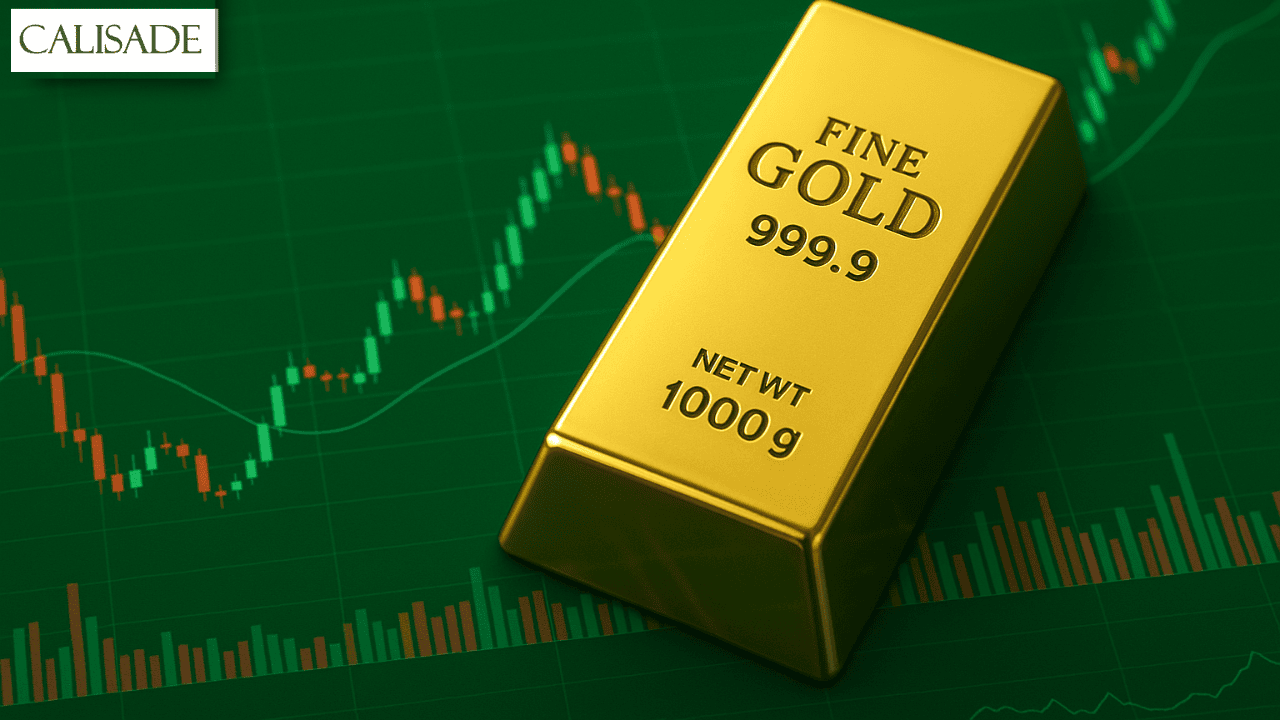
Gold has emerged as one of the most compelling stories in global markets this year. Surging unprecedented levels, the precious metal has captured attention not merely as a hedge against uncertainty but as a core asset representing trust and stability. The ongoing rally reflects structural shifts in how the world perceives monetary security, driven by both geopolitical and economic forces. Understanding these dynamics is essential for anyone following the markets closely. In this Q&A, we break down the forces shaping gold’s ascent, why central banks are buying it more aggressively than ever, and what it means for everyday investors. Let’s begin.
Why has gold become such a big story this year?
Gold’s rise above $4,000 per ounce marks a historic high, reflecting broader economic and geopolitical concerns. Slowing global growth, persistent inflation, and substantial government deficits have heightened investor anxiety about traditional paper currencies. In response, many central banks have increased their gold reserves to reduce dependence on the U.S. dollar, turning gold into a core reserve asset rather than merely a crisis hedge. This shift demonstrates gold’s evolving role as a symbol of trust in an increasingly uncertain financial environment, where stability and long-term security are highly valued.
What’s actually driving this gold rally? Is it inflation, politics, or something else?
The current gold rally is driven by what can be described as a dual-engine dynamic. The first engine is geopolitical: nations are reducing reliance on the U.S. dollar following global events that exposed the vulnerability of dollar-denominated assets. Central banks’ record purchases of gold, totaling hundreds of tons over the past two years, have established a substantial and stable demand base that differentiates this rally from previous speculative spikes. The second engine is economic: weak growth and persistent inflation have pushed real interest rates to very low levels, making gold increasingly attractive as a store of value. Together, these geopolitical and economic forces channel global investors toward gold as a reliable asset amid currency uncertainty.
Is this rise sustainable, or could gold prices fall again soon?
The evidence suggests that the current surge is a structural revaluation rather than a speculative bubble. Unlike past rallies driven by short-term trading, today’s gold demand is anchored by long-term holders, primarily institutional investors and central banks. Supply growth remains limited, with mine output increasing minimally and recycled gold contributing little additional supply. Even a modest reallocation of global foreign exchange reserves from dollars to gold could absorb an entire year’s mine production, highlighting the depth of structural support for prices. Unless there are significant improvements in fiscal discipline or real yields rise substantially, the structural floor for gold is likely to remain near current levels. Moreover, gold held in central bank reserves tends to remain in place, providing a stable and enduring demand base that cushions the market against sudden declines.
How is this rally affecting other metals like silver or copper?
Gold’s ascent has renewed interest in related metals, sometimes referred to collectively as the “Gold Galaxy.” Silver often follows gold, but its movements are influenced heavily by industrial demand, particularly from sectors like solar energy and electronics. Currently, silver has lagged behind gold, indicating that the rally is driven more by trust and geopolitical concerns than by industrial factors. Platinum and palladium continue to track cycles in the automotive industry, while copper reflects global growth and infrastructure demand. In essence, gold rises in response to concerns about monetary trust, while metals like copper respond to confidence in economic expansion, demonstrating that the drivers behind these markets are distinct.
What key indicators should investors watch to understand where gold goes next?
Several key indicators provide insight into gold’s trajectory. Central bank purchases, especially by major economies, continue to be a critical factor in sustaining demand. Real yields remain influential, with gold performing well when inflation-adjusted rates are low. Fiscal deficits undermine confidence in paper assets, reinforcing gold’s appeal. Movements in the U.S. dollar may impact short-term trends, but long-term diversification supports continued strength. Additionally, inflows into gold-focused ETFs indicate growing institutional participation, reflecting both sovereign and market confidence in gold’s structural role as a reserve and store of value.
Conclusion
The remarkable climb of gold in 2025 illustrates a structural shift in global markets, underpinned by both geopolitical recalibration and persistent economic pressures. As a core reserve asset, gold has moved beyond a temporary hedge to become a long-term store of value, distinguished by strong institutional support and stable demand. While other metals respond primarily to industrial demand or growth expectations, gold continues to rise in response to trust and stability concerns. For those observing the markets, central bank activity, real yields, fiscal policies, and ETF flows remain the most important indicators to monitor, providing insight into the direction and resilience of this ongoing supercycle.
Interested in going deeper on the above topics? Our FREE Basic Digest provides 3-5 pages of summarized insights to keep you informed on key themes impacting the market.
Or consider leveling up to our paid Premium Digest. Typically running 15-20 pages long, the Premium Digest goes much deeper on a given theme, expanding on historical precedents and providing a bit of visibility into Calisade's institutional insider trading research.
Calisade's Elite Digest is our institutional grade offering, typically 25-35 pages chock full of charts, graphs, historical insights, and, perhaps most importantly, stock tickers that are directly impacted by these themes.
📩 Click to explore Basic, Premium, and Elite Access and see what top investors are reading.